&geometry(126x115) "North Road Vet")
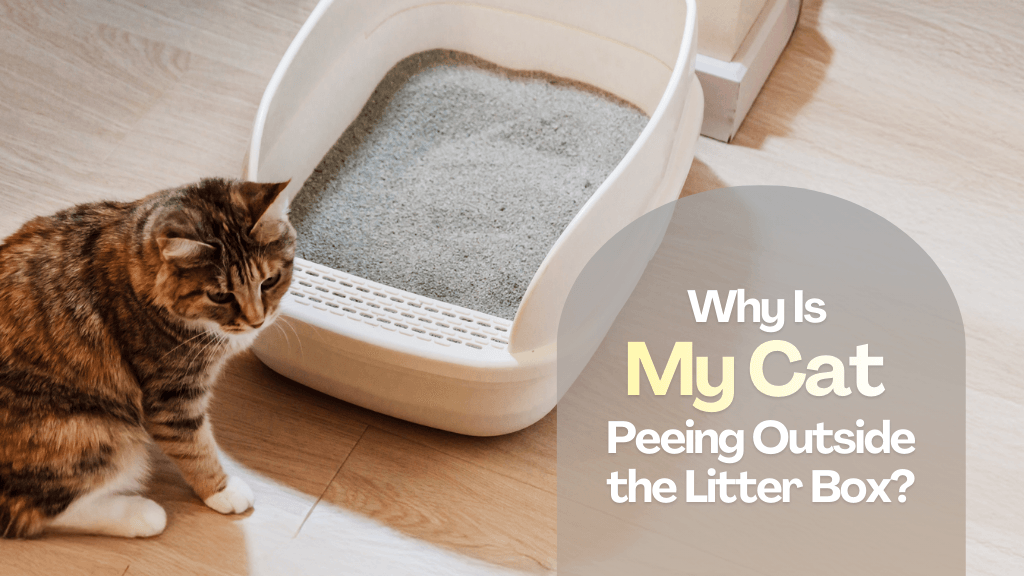
Why Is My Cat Peeing Outside the Litter Box?
 "Why Is My Cat Peeing Outside the Litter Box?")
If your cat has started peeing outside the litter box, it can feel baffling and, let’s be honest, a bit personal. The good news is that it rarely is. Cats don’t usually do this to be naughty or to get back at you. It’s far more often a signal that something is wrong, either medically, environmentally, or emotionally.
The most important starting point is this: treat it like a health symptom first, then a behaviour problem second. Urinating in the wrong place is a common reason vets recommend an assessment, because urinary conditions can be painful and can worsen quickly if left untreated.
Start with the medical causes (because they’re common and important)
Many cats stop using the litter box because urinating has become painful, urgent, or difficult. Urinary tract disease can create inflammation, discomfort, and a frequent “I need to go right now” feeling, which can lead to accidents or avoidance of the tray.
Medical issues your vet may consider include:
- Urinary tract problems, such as bladder inflammation, stones, or infection, all of which can cause pain and urgency.
- Increased drinking and urination could be linked to an underlying disease
- Pain or mobility issues, where climbing into a tray (especially one with high sides or a lid) becomes uncomfortable.
- Stress-linked urinary issues. Stress can influence urinary behaviour and bladder health, and can be a trigger for inappropriate urination.
When it’s urgent (do not wait and see)
Seek urgent veterinary help if your cat:
- Strains to urinate, cries out, or repeatedly squats with little to no urine produced
- Seems painful when trying to wee
- Has blood in the urine
- Is lethargic, vomiting, or not eating
These signs can indicate serious urinary trouble, and in some cases (especially in male cats), a blockage can become life-threatening.
If the vet rules out medical causes, look at the environment and behaviour
Once health issues are ruled out, the focus usually shifts to either:
- Litter tray aversion (something about the tray or litter isn’t working for your cat), or
- Stress and anxiety (something in their world has changed, and the toileting shift is a symptom)
- A helpful way to think about it: the litter tray is your cat’s bathroom. If the bathroom is dirty, hard to access, in a noisy hallway, or you feel unsafe using it, you’d start looking for an alternative too. Cats are simply more decisive about it.
- Is it peeing, or is it marking?
- Not all “peeing outside the litter box” is the same. Marking (often called spraying) tends to be:
- A small amount of urine
- On a vertical surface (wall, furniture)
- Often linked to territory and stress
Whereas toileting is more likely to be a larger puddle on a horizontal surface. Distinguishing the two matters because the solution can differ.
The litter tray checklist that fixes a lot of cases
Cleanliness: the non-negotiable
Cats are fastidious. Removing waste daily and cleaning trays regularly. If the tray is even mildly offensive to your cat’s nose, they may choose a cleaner spot. Practical aim: Scoop at least daily (twice daily is even better for fussy cats or multi-cat homes)
Do a full tray clean regularly (and replace old trays that hold odour)
Litter type: keep it simple
Many cats prefer unscented litter. Strong fragrance can be off-putting, even if it smells “clean” to humans. Behaviour-focused guidance also commonly warns against changes that increase stress, including harsh smells.
Tray location: quiet, accessible, and safe
Cats avoid trays in areas where they feel trapped or disturbed. Consider: Easy access (especially for older cats) Quiet spots away from loud appliances More than one location in the home if needed.
Tray style and size
If your cat is large, older, or arthritic, a covered tray or high sides can be a dealbreaker. Mobility and comfort matter.
In multi-cat homes, reduce competition
In homes with multiple cats, stress and resource competition can contribute to inappropriate urination. Spreading trays out helps reduce ambush points and pressure.
What to do when accidents happen
Step 1: Clean the area properly (so it doesn’t become “the new toilet”)
Avoid ammonia-based cleaners. Ammonia can attract cats back to the same spot. Use an enzymatic pet-urine cleaner if possible.
Step 2: Make the litter tray the easiest option
If your cat keeps using the same area, you can temporarily place a tray nearby to rebuild the habit, then slowly shift it to a better long-term location.
Step 3: Lower stress and increase predictability
Stress is a common trigger for urinary behaviour changes. If there’s been a change in the household (new pet, visitors, routine changes, outdoor cats visible at windows), it’s worth addressing that as part of the plan.
Easy stress-reducers can include:
- Consistent feeding times
- More play (especially short daily sessions)
- Safe hiding spots and elevated resting spaces
- Reducing visual triggers from outdoor cats (for example, frosting film on lower windows)
What not to do (even if you’re at the end of your rope)
Punishment tends to worsen the problem. It increases stress and can make your cat anxious about toileting in front of you, which often leads to more hiding and more “secret wees”. Avoiding actions like yelling or rubbing a cat’s nose in urine, because it increases stress and makes things worse.
Instead, the goal is:
- Rule out pain or disease
- Remove barriers to using the tray
- Reduce stress triggers
- Rebuild a safe, clean toileting routine
How we can help
Book an appointment with one of our vets.
If your cat is peeing outside the litter box, we recommend booking an appointment so we can rule out medical causes first and help you get a clear plan in place.
Call us to book by phone:(03) 9596 4804 or Book online
We recommend bringing in a urine sample to the appointment if possible, call one of our team for advice on how best to do this.
We can:
- Check for urinary disease and other causes of increased urination
- Recommend appropriate tests (often including a urine test)
- Help you distinguish marking from toileting
- Build a practical plan that fits your cat’s age, health, and home environment.
The sooner you act, the sooner you can get back to a clean home, and your cat can get back to feeling comfortable and secure.
| Tags:CatClient InformationPet Training |