&geometry(126x115) "North Road Vet")
Is Your Older Dog Slowing Down or Could It Be Arthritis? A Guide for Senior Pet Owners in Elsternwick
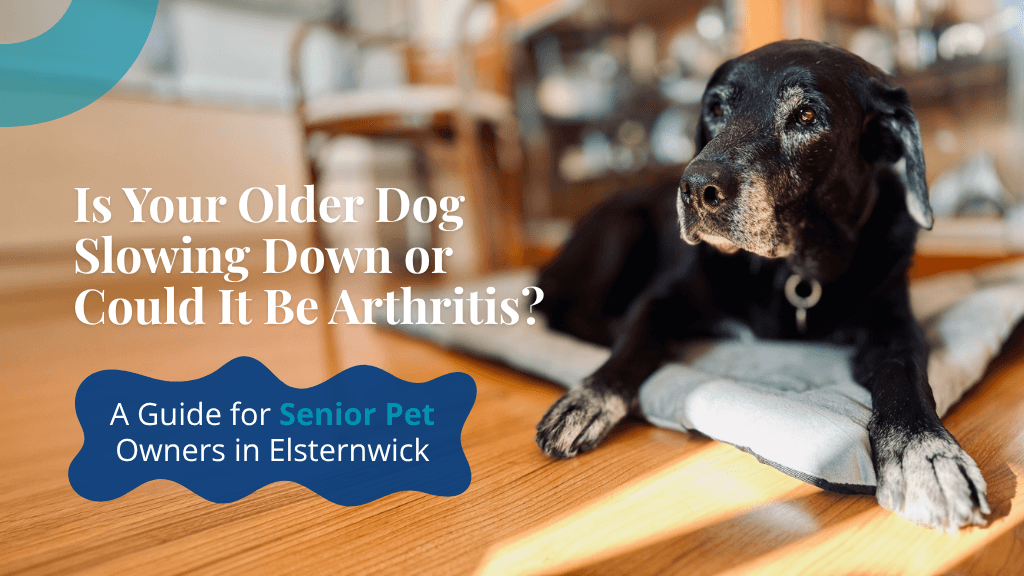 "Is Your Older Dog Slowing Down or Could It Be Arthritis? A Guide for Senior Pet Owners in Elsternwick")
As the cooler weather settles across Elsternwick and the surrounding suburbs, many pet owners start to notice subtle changes in their older dogs. While winter can be a welcome break from the heat, it can also highlight underlying joint issues in senior pets.
At North Road Veterinary Centre, we often see an increase in older dogs presenting with stiffness during the colder months. While it may seem like your dog is simply “getting older,” this change in movement is frequently linked to discomfort caused by Osteoarthritis (OA).
In this guide, we’ll help you understand the difference between normal ageing and arthritis, why symptoms often worsen in winter, and what support is available to keep your dog happy and active.
Is It Just Ageing, or Something More?
Many pet owners assume that slowing down is a normal part of ageing. However, studies show that a large percentage of dogs over eight years old experience arthritis to some degree.
Dogs are naturally very good at hiding pain. Rather than vocalising discomfort, they adjust their behaviour in subtle ways, which can easily go unnoticed at home.
The “Warm-Up” Effect
You may notice your dog appears stiff when they first get up but moves more comfortably after a short walk. This is commonly associated with arthritis.
Movement helps lubricate the joints temporarily, reducing stiffness. However, the underlying inflammation remains, meaning the discomfort often returns after rest.
Subtle Signs Your Dog May Be in Pain
At North Road Vet, we often find that behavioural changes are the earliest indicators of arthritis.
1. Changes in Behaviour or Mood
Dogs experiencing ongoing discomfort may become more withdrawn or irritable. You might notice your dog avoiding interaction or reacting differently when touched in certain areas.
2. Difficulty Jumping or Using Stairs
If your dog hesitates before jumping, struggles with stairs, or uses a “bunny hop” motion with their back legs, this may indicate joint discomfort, particularly in the hips.
3. Grooming Changes
Pain can make it difficult for dogs to groom properly. You may notice changes in coat condition or increased licking of certain joints as they try to relieve discomfort.
Why Winter Can Make Arthritis Worse
Cold weather can have a noticeable impact on joint health.
- Barometric pressure changes can increase joint sensitivity
- Reduced circulation in colder conditions can lead to stiffness
- Less activity during winter can cause joints to become less mobile
How Modern Veterinary Care Can Help
Veterinary care for arthritis has progressed significantly in recent years. At North Road Veterinary Centre, we tailor treatment plans based on your dog’s individual needs.
Targeted Pain Relief
There are now advanced treatment options available, including long-acting therapies that focus directly on pain pathways, helping improve comfort without placing unnecessary strain on internal organs.
Joint Support Treatments
We may recommend therapies that support joint health and help maintain cartilage function, improving long-term mobility.
Nutrition and Supplements
Diet plays an important role in joint health. We often suggest specialised diets or supplements rich in Omega-3 fatty acids to help reduce inflammation.
Supporting Your Dog at Home
There are simple changes you can make at home to help your dog stay comfortable:
- Use non-slip mats on smooth floors
- Maintain a healthy weight to reduce joint strain
- Provide a warm, supportive bed
- Use ramps or steps to reduce jumping impact
When Should You See a Vet?
If you’ve noticed any of these changes, even mild ones, it’s a good idea to book a check-up.
At North Road Veterinary Centre, we can assess your dog’s mobility, joint health, and overall well-being. Diagnostic tools such as X-rays may be recommended to better understand what’s happening internally.
Early management can make a significant difference in your dog’s comfort and quality of life.
Ready to Help Your Dog Feel More Comfortable?
Call our team at (03) 9528 2007 or visit our website book an appointment.
We’re here to support your pet’s health and comfort through every stage of life.
A Note on Arthritis vs Osteoarthritis
You may hear the terms arthritis and osteoarthritis used interchangeably, but they have slightly different meanings.
Arthritis is a general term that refers to inflammation within a joint. This can occur for a variety of reasons, including infection, injury, or immune-related conditions.
Osteoarthritis (OA) is the most common form seen in older dogs. It is a degenerative condition where the protective cartilage within the joint gradually wears away over time. As this cushioning reduces, the joint becomes less stable, leading to inflammation, discomfort, and reduced mobility.
| Tags:DogHealth Advice |