&geometry(126x115) "North Road Vet")
What to Know Before Hiding Your Dog’s Medication in Food
 "What to Know Before Hiding Your Dog’s Medication in Food")
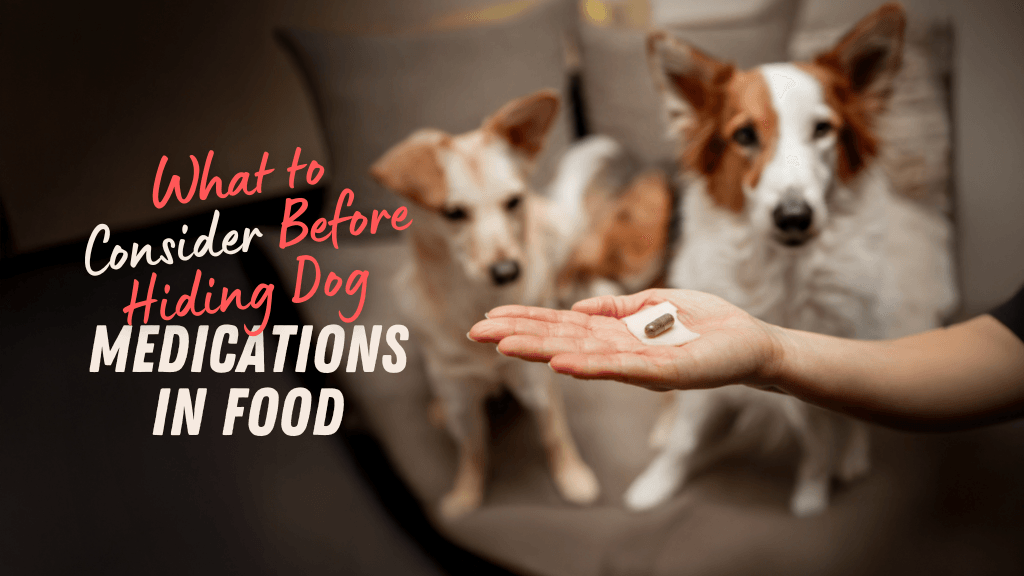
Convincing a dog to swallow a tablet can feel like a daily challenge. Many pet owners turn to a spoonful of peanut butter, a slice of cheese, or a bit of meat to disguise medications. While these tricks often work, not every food or every medication mixes safely. Some ingredients can affect how the drug is absorbed, reduce its effectiveness, or cause unwanted reactions.
Here’s what to keep in mind before hiding your dog’s medication inside a meal or treat.
1. Speak With Your Vet First
Before slipping a pill into your dog’s dinner, have a quick chat with your vet. Some medications must be taken on an empty stomach, while others are gentler when combined with food. The timing and type of food you use can significantly influence how well the medication works.
Your veterinarian can advise you on:
- Whether the medication needs to be given with food
- Which types of food are safest to use
- Whether the tablet can be split, crushed, or must stay whole
Even treats that seem harmless can affect how a medication behaves. Your vet’s instructions help ensure the medication works exactly as intended.
2. Remember That Not All Foods Are Dog-Safe
It might be tempting to grab whatever’s in your fridge, but some human foods are dangerous for dogs even in small portions. Avoid using the following to hide pills:
- Grapes or raisins, which can cause kidney damage
- Chocolate, due to the toxic theobromine
- Onions, garlic, or chives, which can harm red blood cells
- Foods containing xylitol (often found in some peanut butters)
- Fatty or salty meats like bacon or sausages, which can trigger pancreatitis
If you use soft cheese or peanut butter, always read the label. Stick to plain, xylitol-free options, or use simple cooked chicken.
3. Think About How the Medication Works
Different drugs interact with food in different ways:
- Absorption concerns: Some antibiotics (such as doxycycline) shouldn’t be given with dairy, while others require food to reduce tummy upset.
- Extended-release tablets: These must not be crushed or hidden in wet food, as it can cause the medication to release too quickly.
- Fat-soluble drugs: These may work better with a bit of fat, although too much can upset your dog’s stomach.
If you’re not sure how your dog’s medication behaves with food, double-check with us.
4. Watch Out for Food-Drug Interactions
Certain foods can change the way a medication is processed in your dog’s body. For example:
- Dairy or high-calcium foods may reduce the effectiveness of some antibiotics
- High-fat foods can interfere with slow-release medications
- Acidic foods can affect drugs that rely on a certain stomach pH
Even small dietary changes can influence how well a medication works. Stick to the plan, and avoid switching foods during treatment unless approved.
5. Use Safe Alternatives if Your Dog Is Too Smart
If hiding tablets in food becomes a daily battle, try these alternatives:
- Pill pockets: Special treats designed to hold tablets, often vet-recommended
- Compounded medications: Pharmacies can sometimes create flavored liquids or chewable versions
- Manual method: Some owners are shown how to place the pill gently at the back of the tongue, followed by a reward
6. Helpful Tips to Make Medication Time Easier
- Offer a treat without medication first, then the medicated one, then a final “clean” treat
- Stay relaxed, dogs pick up on stress
- Watch your dog afterward to make sure the pill was swallowed and not hidden or spat out
7. When You Should Contact Your Vet
Reach out to your veterinarian if your dog vomits, drools excessively, refuses food, or seems distressed after taking a medication with food. They may recommend giving the dose in a different way or adjusting the form of the prescription.
Final Thoughts
Hiding your dog’s medication in food can be a helpful strategy, but it’s not always foolproof. Some foods can be toxic, and others may interfere with how the drug works. Your vet’s advice is the best way to make sure your dog’s medication is given safely and effectively. With the right method, you can make dosing easier and stress-free for both you and your pet.
| Tags:DogClient InformationHealth Advice |